How Cloud Accounting Enhances Small and Medium Business Efficiency
How cloud accounting enhances small and medium business efficiency
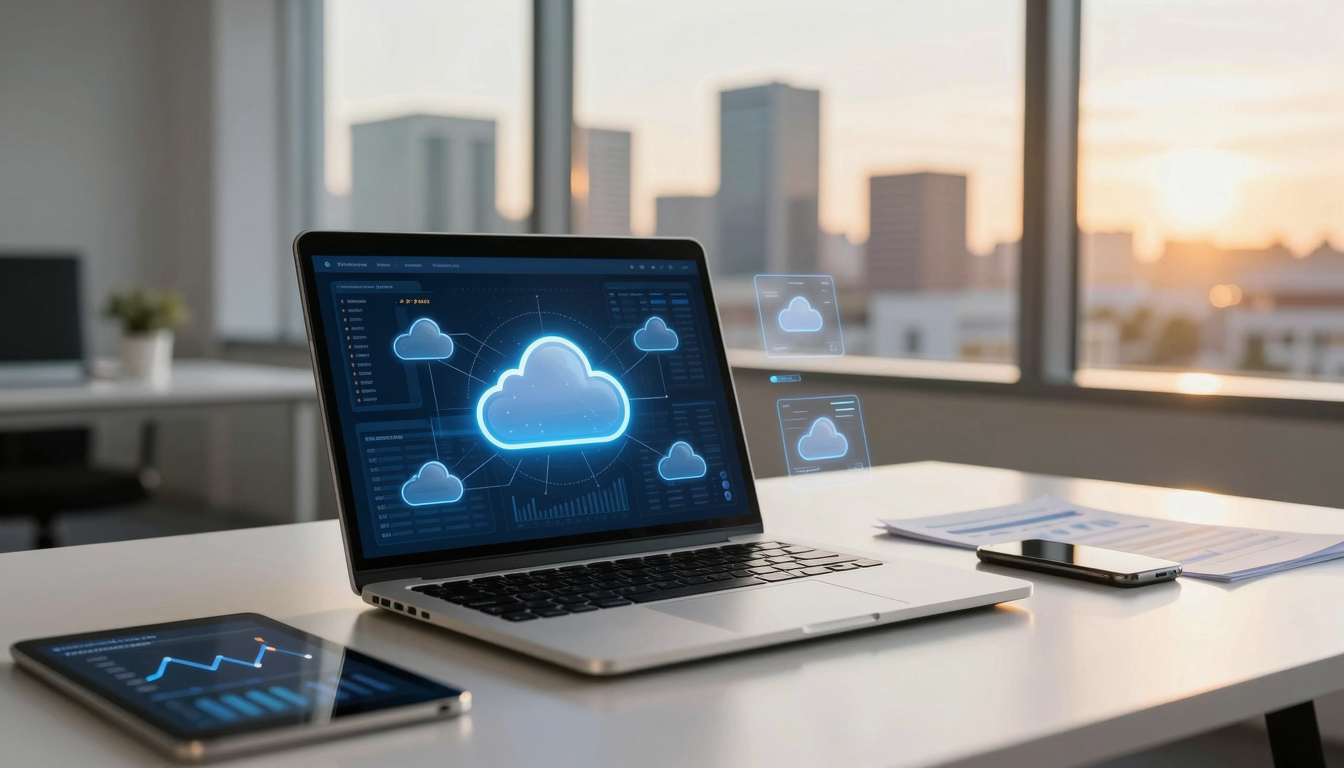
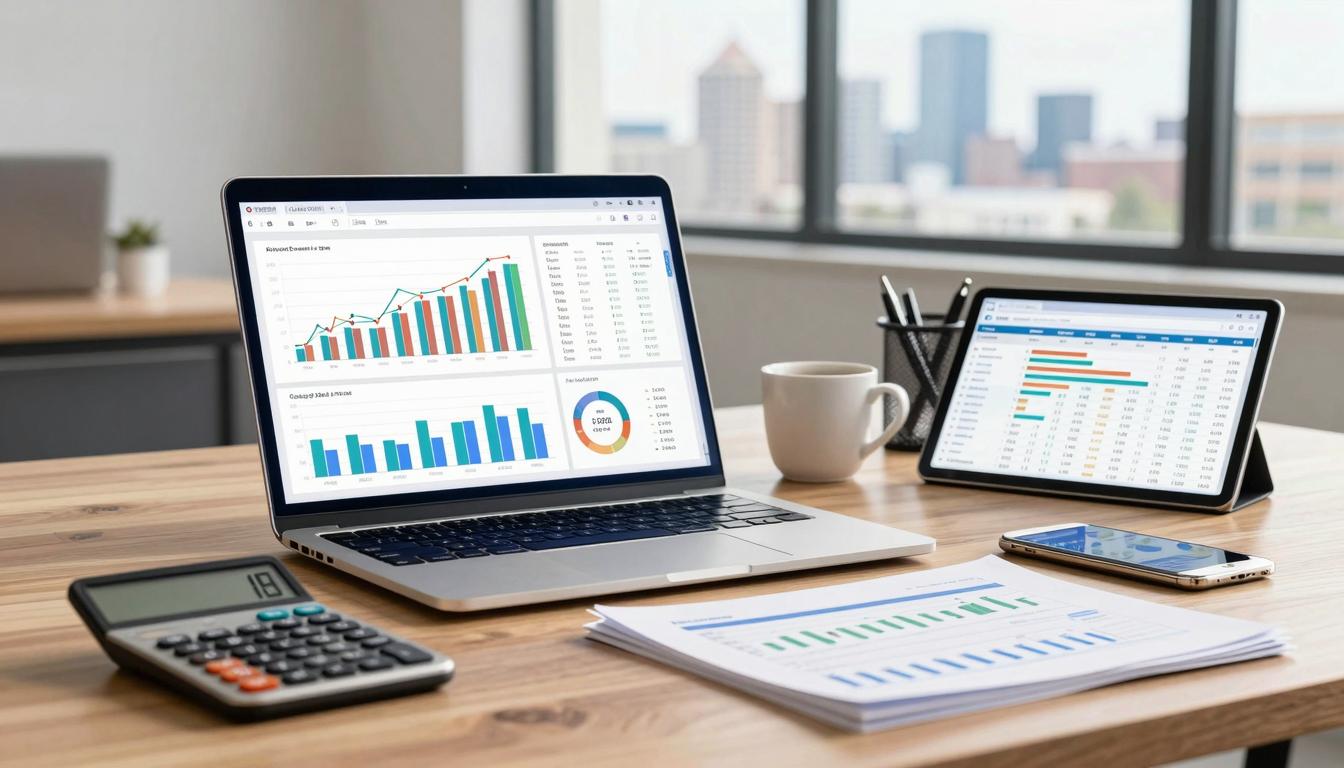
In today’s fast-paced business environment, small and medium enterprises (SMEs) constantly seek ways to improve operational efficiency and maintain a competitive edge. One critical area where innovation has made a significant impact is accounting. Cloud accounting, a modern approach leveraging internet-based platforms, is transforming how SMEs manage their financial records, invoicing, payroll, and compliance. Unlike traditional desktop accounting software, cloud accounting enables real-time access, automation, and integration with other business tools, streamlining workflows and reducing manual effort. This article explores how cloud accounting enhances SME efficiency through improved accessibility, cost-effectiveness, automation, and data security, ultimately empowering business owners to make smarter financial decisions and focus on growth.
Real-time access and collaboration
One of the standout benefits of cloud accounting for SMEs is the ability to access financial data anytime and anywhere. Traditional accounting software often restricts users to a single device or a local network, limiting flexibility. Cloud platforms, however, store data securely on remote servers, allowing multiple users — including accountants, finance teams, and business owners — to collaborate simultaneously.
This real-time access means that financial information is always up to date, enabling quicker decision-making and minimizing errors caused by outdated reports. Moreover, cloud accounting facilitates seamless communication between businesses and their accountants, as financial data can be shared instantly, speeding up critical processes such as tax preparation and financial analysis.
Cost-effectiveness and scalability
For SMEs, managing costs is essential, and cloud accounting provides a more affordable alternative to traditional methods. Instead of investing in expensive software licenses, infrastructure, or IT maintenance, businesses typically pay a subscription fee based on usage. This pay-as-you-go model lowers upfront costs and allows companies to scale their accounting needs as they grow without hefty reinvestments.
Additionally, cloud accounting software often includes automatic updates and maintenance, freeing SMEs from unexpected expenses related to system upgrades or security patches. The subscription model also ensures businesses benefit from new features and compliance updates without additional charges.
| Traditional accounting | Cloud accounting |
|---|---|
| High upfront cost for licenses and hardware | Low upfront costs with subscription-based pricing |
| Manual updates and upgrades | Automatic software updates included |
| Limited accessibility, one device or network | Accessible anywhere with internet connection |
| Requires dedicated IT support | Provider handles IT maintenance and security |
Automation and reduced manual errors
Manual accounting processes are time-consuming and prone to human error, leading to inaccurate financial records and compliance risks. Cloud accounting platforms incorporate automation features such as bank feeds, automatic invoicing, expense categorization, and real-time reconciliation. This not only saves valuable time but also reduces mistakes by minimizing manual data entry.
Automation enables SMEs to stay on top of cash flow management effortlessly. For example, automated payment reminders and recurring invoices improve collection rates and reduce late payments. By streamlining repetitive tasks, employees can focus on strategic activities that contribute more directly to business growth.
Improved data security and compliance
Handling sensitive financial data securely is critical for any business. Cloud accounting providers invest heavily in cybersecurity measures that most SMEs cannot afford independently. Features such as encrypted data transmission, secure backups, multi-factor authentication, and disaster recovery protocols protect against data breaches and loss.
Moreover, cloud accounting software often stays updated with the latest tax regulations and compliance requirements, helping SMEs avoid penalties and ensure accurate reporting. This is particularly beneficial for businesses operating in multiple jurisdictions or facing complex tax rules.
By leveraging cloud accounting solutions, SMEs not only safeguard their financial data but also gain peace of mind knowing that compliance is actively managed.
Conclusion
Cloud accounting represents a significant evolution in how small and medium businesses handle their financial processes. By enabling real-time access and collaboration, it helps teams stay synchronized and make faster decisions. The subscription-based pricing model reduces upfront costs and offers scalability, making it ideal for growing companies. Automation features streamline repetitive tasks, lessen errors, and enhance cash flow management. Perhaps most importantly, robust security and continuous compliance updates shield SMEs from data breaches and regulatory risks.
Collectively, these advantages make cloud accounting a powerful tool for improving operational efficiency and financial accuracy. SMEs that embrace these platforms can redirect time and resources toward strategic initiatives, ultimately boosting their competitiveness and long-term success.
Image by: Ivan Samkov
https://www.pexels.com/@ivan-samkov

news via inbox
Nulla turp dis cursus. Integer liberos euismod pretium faucibua