Integrating Cloud Accounting and Automation for Small to Mid-Sized Businesses
Integrating Cloud Accounting and Automation for Small to Mid-Sized Businesses
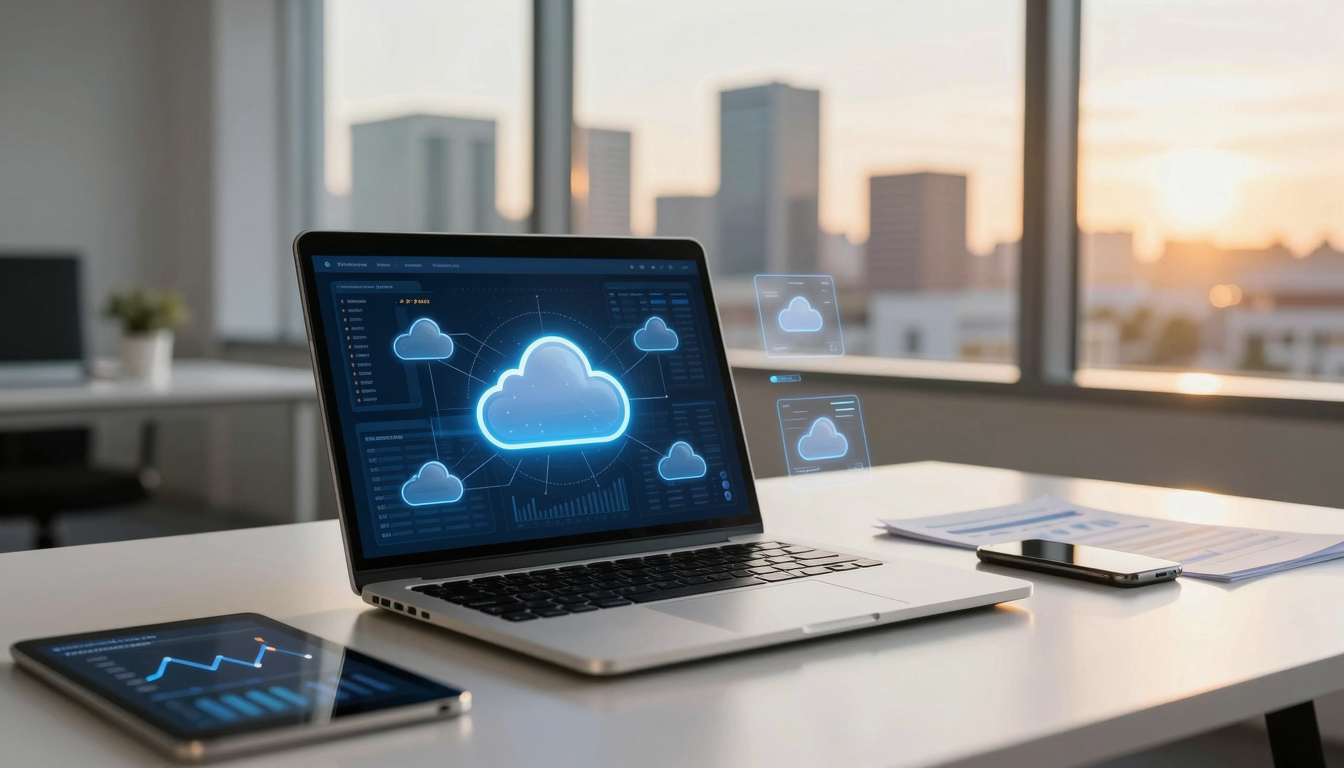
The integration of cloud accounting and automation has become a pivotal strategy for small to mid-sized businesses (SMBs) aiming to enhance operational efficiency and financial management. With evolving technology, these businesses can now leverage cloud-based platforms combined with automated processes to streamline accounting tasks, reduce errors, and optimize resource allocation. This article explores how SMBs can adopt cloud accounting and automation, the benefits they bring, as well as best practices for successful implementation. Understanding the synergy between these technologies is crucial for SMBs striving to remain competitive, adapt to changing market demands, and scale their operations effectively.
The evolution of cloud accounting in SMBs
Cloud accounting technology has transformed the way SMBs handle their financial data. Unlike traditional accounting software, which is installed locally on a company’s computers, cloud accounting solutions are hosted online, allowing for real-time data access from multiple devices. This flexibility empowers businesses with better collaboration among accounting teams, advisors, and stakeholders.
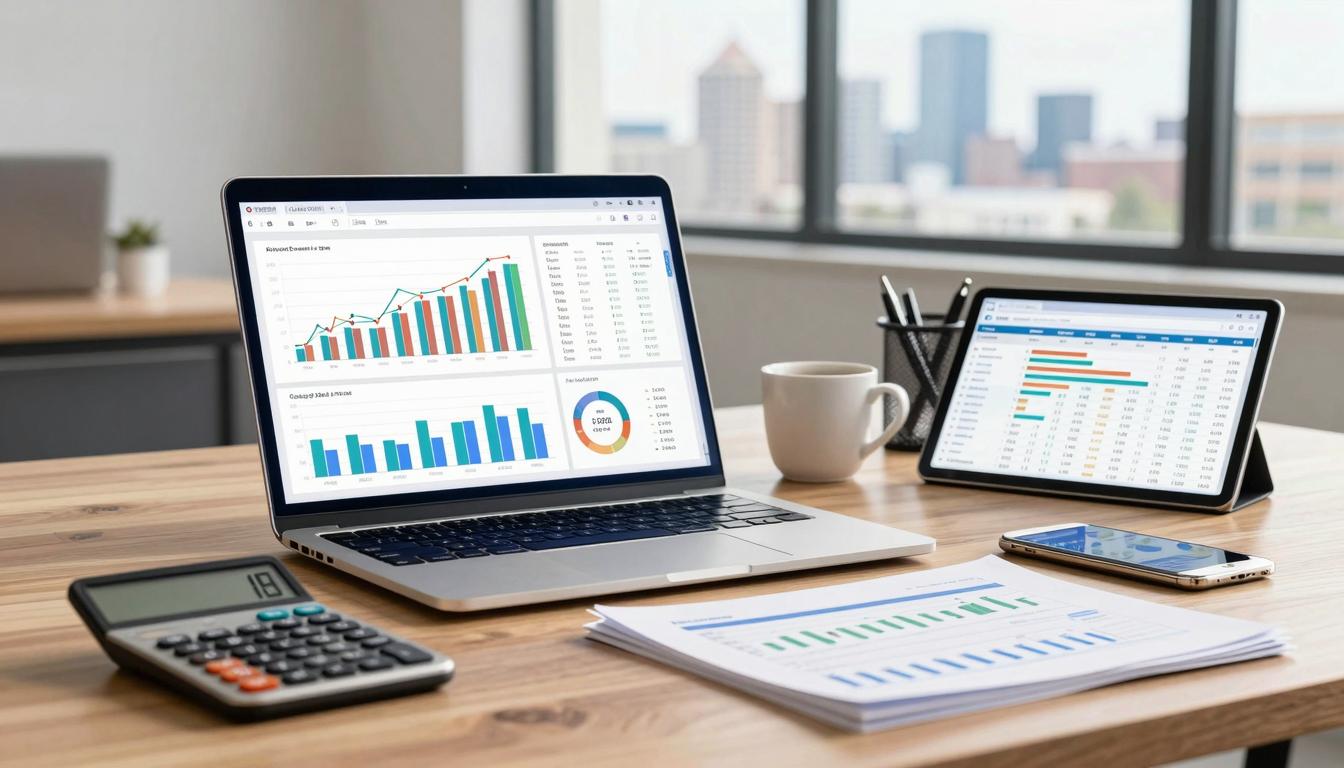
One of the key advantages is the automatic update feature, which eliminates the need for manual installations and supports faster compliance with changing tax laws. Moreover, cloud platforms offer integrated analytics that provide instant insights into cash flow, expenses, and profit margins, helping SMBs make data-driven decisions promptly.
The role of automation in streamlining accounting processes
Automation is the backbone of modern cloud accounting systems, enabling SMBs to move away from manual data entry and repetitive tasks. Automated processes such as bank reconciliations, invoice generation, expense tracking, and payroll management reduce the risk of human error and free up valuable time for strategic initiatives.
Implementing automation also supports enhanced accuracy and consistency across records. For instance, automated alerts can notify businesses of overdue payments or unusual transactions, ensuring proactive financial management and reducing the chances of fraud or oversight.
Benefits of integrating cloud accounting with automation
Combining cloud accounting with automation provides SMBs with a comprehensive financial management system offering several key benefits:
- Cost efficiency: Reducing manual labor and paper-based tasks leads to significant cost savings.
- Improved accuracy: Automation minimizes errors caused by manual input.
- Scalability: Cloud platforms can easily accommodate business growth without additional infrastructure investment.
- Enhanced compliance: Automatic updates and audit trails ensure adherence to regulations.
- Real-time insights: Live dashboards help track financial health and support better forecasting.
Below is a summary table highlighting the impact of cloud accounting and automation integration:
| Aspect | Before Integration | After Integration |
|---|---|---|
| Task completion time | Several days for monthly closing | Hours to complete monthly closing |
| Error rates | High due to manual entry | Significantly reduced through automation |
| Cost of accounting operations | Higher with paper and manual processes | Lower with digital workflows |
| Financial visibility | Periodic, delayed reports | Real-time, accurate dashboards |
Implementing integration: best practices for SMBs
For SMBs looking to integrate cloud accounting and automation effectively, a phased and strategic approach is essential. Start by evaluating current processes to identify repetitive or error-prone tasks that benefit most from automation. Choose cloud accounting software compatible with these automation tools, ensuring ease of data transfer and scalability.
Training is vital—engage staff in the transition to encourage adoption and optimize the use of new technologies. Data security must remain a focus; implement strong access controls, regular backups, and vendor compliance checks. Regularly monitor system performance and gather feedback to refine workflows continuously.
Future trends and opportunities for SMBs
As technology advances, SMBs integrating cloud accounting and automation will increasingly benefit from artificial intelligence (AI) and machine learning capabilities. These innovations will enable predictive analytics for better financial planning, automated compliance checks, and personalized financial recommendations.
Moreover, integration with other business systems—such as inventory management, customer relationship management (CRM), and payroll—will create seamless ecosystems improving overall business agility. SMBs that embrace these trends early can expect improved competitiveness, greater operational resilience, and stronger financial control.
Conclusion
The integration of cloud accounting and automation presents a transformative opportunity for small to mid-sized businesses. By moving away from traditional, manual accounting methods, SMBs can benefit from improved accuracy, cost savings, and real-time visibility into financial performance. Automation reduces workload and errors while cloud platforms provide scalability and easier compliance with evolving regulations. A deliberate implementation strategy combined with ongoing staff training and data security measures ensures a successful transition.
Looking ahead, advances in AI and broader system integration promise to further enhance the financial capabilities of SMBs. Embracing these technologies allows smaller businesses not only to streamline operations but also to compete effectively with larger players. Ultimately, cloud accounting and automation integration is more than a technological upgrade—it is a critical step toward sustainable growth and long-term success in an increasingly digital economy.
Image by: Hanna Pad
https://www.pexels.com/@anna-nekrashevich

news via inbox
Nulla turp dis cursus. Integer liberos euismod pretium faucibua