Leveraging Data Analytics for Smarter Financial Reporting
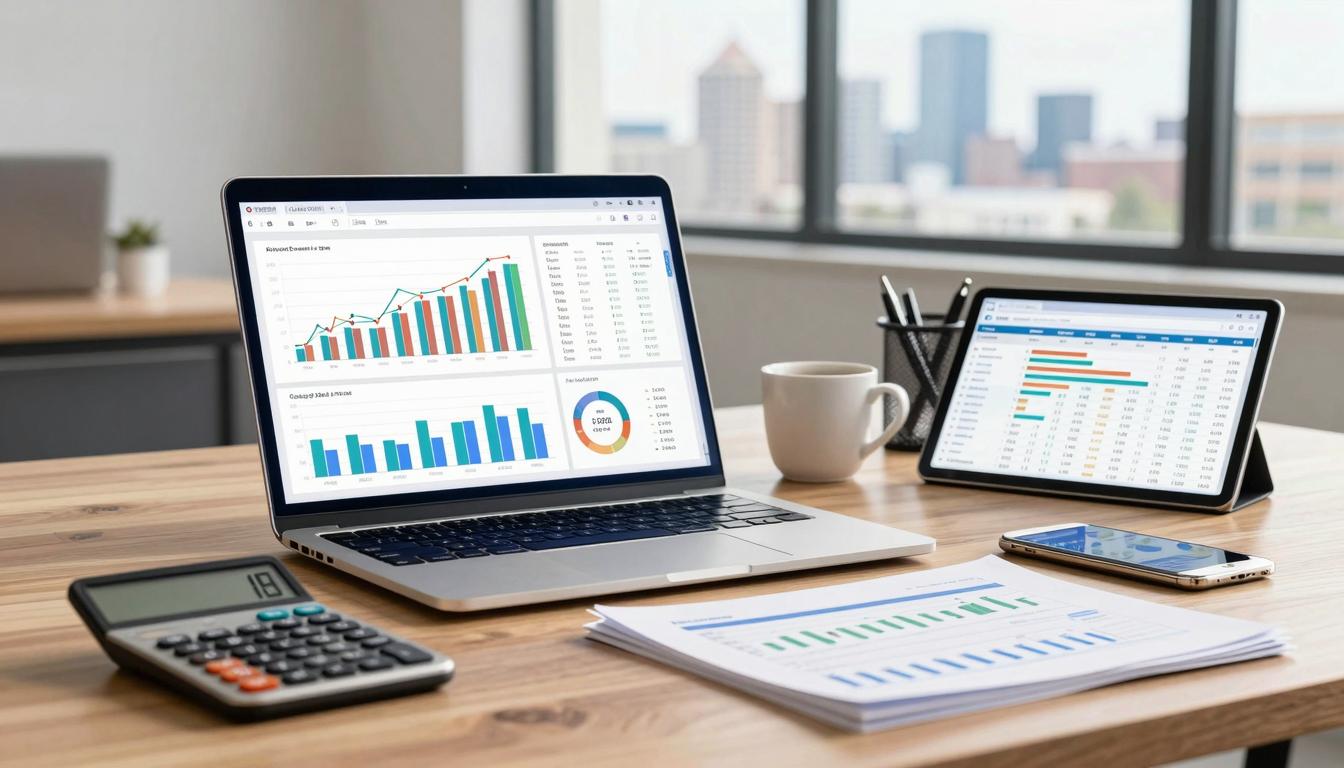
Leveraging data analytics for smarter financial reporting has become increasingly essential in today’s fast-paced business environment. As organizations deal with ever-growing volumes of financial data, traditional reporting methods often fall short in providing timely insights and accuracy. Data analytics technology enables companies to transform raw financial figures into meaningful, actionable information that supports strategic decision-making. From identifying trends and anomalies to automating data compilation, analytics tools streamline the reporting process and improve transparency. This article explores how leveraging data analytics can revolutionize financial reporting, enhance compliance, optimize resource management, and ultimately drive better business outcomes.
Transforming data into valuable insights
Financial reporting is no longer just about compiling numbers; it is about interpreting data to uncover insights that can influence business strategy. By integrating advanced data analytics into financial processes, organizations can analyze large datasets quickly and effectively. Techniques such as predictive analytics and machine learning help forecast future performance, detect irregularities, and highlight patterns that might otherwise be overlooked. For example, analyzing cash flow trends over time can pinpoint periods of financial stress before they become critical. This analytical layer adds depth to financial reports, turning static numbers into dynamic narratives that better inform stakeholders.
Enhancing accuracy and compliance
Accuracy is paramount in financial reporting, where errors or misstatements can result in regulatory penalties and damage to corporate reputation. Data analytics tools automate routine data validation and reconciliation tasks, reducing human error and ensuring consistency across reports. Moreover, analytics can help maintain compliance by systematically checking for adherence to accounting standards and regulatory requirements. Real-time monitoring of transactions and financial data through analytic dashboards allows finance teams to quickly spot discrepancies or unusual activities that might indicate fraud or non-compliance. This proactive approach not only mitigates risks but also builds confidence among investors and regulators.
Driving efficiency through automation
The traditional financial reporting process involves labor-intensive data collection, aggregation, and formatting. Implementing data analytics platforms streamlines these tasks by automating repetitive processes, freeing up finance professionals to focus on analysis and strategic planning. Automation reduces report preparation time and increases the frequency of reporting, enabling more timely insights. Additionally, data analytics facilitate seamless integration of multiple data sources — from ERP systems to external market data — creating a centralized, unified reporting environment. This reduces data silos and enhances collaboration between departments, leading to well-rounded financial analysis.
Using data analytics to support decision-making
Financial reports powered by data analytics offer deeper contextual understanding and foresight to decision-makers. Analytical visualizations such as interactive dashboards and real-time KPIs provide immediate access to critical financial metrics, empowering executives to respond swiftly to market changes. For instance:
| Financial metric | Analytic benefit | Impact on decision-making |
|---|---|---|
| Revenue trends | Identifies growth or decline patterns | Adjust sales strategies and forecasts |
| Expense breakdown | Highlights overspending categories | Optimize cost control measures |
| Cash flow projections | Predicts liquidity status | Plan investments and financing |
By harnessing such analytical insights, companies can make data-driven decisions that align financial objectives with overall business goals, mitigating risks and seizing new opportunities with greater confidence.
Conclusion
In summary, leveraging data analytics in financial reporting reshapes how organizations gather, interpret, and act upon financial information. The integration of analytics enhances the accuracy, timeliness, and comprehensiveness of reports while automating routine tasks and ensuring compliance. Through advanced data analysis, businesses gain valuable insights that drive smarter decision-making and strategic planning. Ultimately, adopting data analytics empowers finance teams to transition from traditional number crunching to becoming proactive business partners, delivering deeper financial visibility and contributing to sustainable growth in an increasingly competitive landscape.
Image by: Lukas
https://www.pexels.com/@goumbik

news via inbox
Nulla turp dis cursus. Integer liberos euismod pretium faucibua