
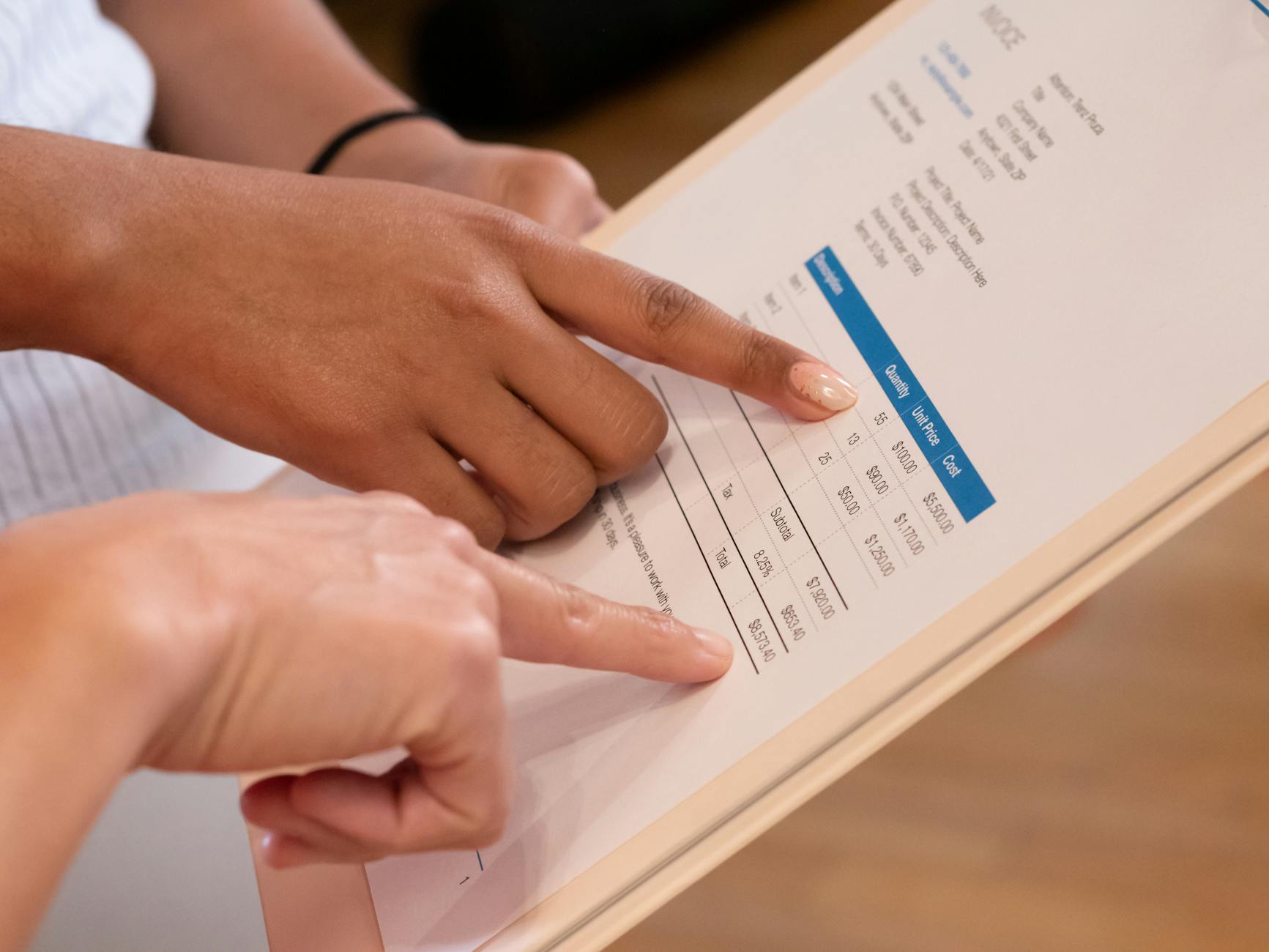
Maximizing Cost Optimization with Accounting Analytics
Maximizing cost optimization with accounting analytics is a strategic approach that businesses are increasingly adopting to enhance financial performance and operational efficiency. By leveraging advanced analytics tools within accounting processes, companies can identify spending patterns, uncover inefficiencies, and make data-driven decisions that significantly reduce costs. This article explores how accounting analytics transforms traditional cost management, integrating technology and financial expertise to deliver actionable insights. We will delve into the role of data collection, the power of predictive analytics, the importance of cross-department collaboration, and the ways to measure success in cost optimization efforts. Understanding these elements can help finance professionals and business leaders unlock hidden value and foster sustainable growth.
leveraging data collection for accurate cost analysis
The foundation of cost optimization lies in comprehensive and accurate data collection. Accounting analytics depends on gathering detailed financial and operational data from various sources, such as invoices, payroll systems, procurement records, and overhead expenses. Properly structured data provides a clear picture of where money is spent and highlights irregularities or unexpected cost drivers.
The use of automated data capture tools reduces human error and accelerates processing times. This step ensures the quality and timeliness of financial information, which is critical for real-time analysis. Additionally, integrating data across different software platforms, like ERP and accounting systems, creates a unified dataset that forms the basis for deeper cost insights.
predictive analytics for proactive cost management
Once accurate data is collected, predictive analytics plays a crucial role in forecasting future costs and identifying potential savings. By applying statistical models and machine learning algorithms to historical financial data, accounting teams can anticipate trends such as seasonal spending spikes or supplier price changes.
Predictive tools empower companies to:
- Plan budgets more effectively by simulating various scenarios
- Identify areas prone to cost overruns before they occur
- Optimize inventory levels to minimize carrying costs
- Negotiate better terms with vendors using data-driven forecasts
These capabilities shift cost management from reactive to proactive, enabling strategic decisions that prevent waste and maximize resource allocation.
fostering collaboration across departments
Effective cost optimization requires collaboration between accounting and other business units like procurement, operations, and sales. Accounting analytics provides a common language in the form of data-driven insights, allowing cross-functional teams to align on objectives and share responsibility for cost control.
For example, procurement can utilize analytics to assess supplier performance while operations can analyze process efficiencies. Regular communication and shared dashboards facilitate transparency and continuous improvement by uniting disparate parts of the organization around a cohesive cost strategy.
measuring and sustaining cost optimization efforts
To maximize the benefits of accounting analytics, companies must establish clear metrics and continuously monitor performance against these benchmarks. Key performance indicators (KPIs) such as cost per unit, expense ratios, and variance analysis help track progress and validate the effectiveness of cost-saving initiatives.
| KPI | Description | Target |
|---|---|---|
| Cost per unit | Average cost incurred to produce one unit of product or service | Decrease by 10% annually |
| Expense ratio | Percentage of expenses relative to revenue | Maintain below 30% |
| Variance analysis | Difference between budgeted and actual costs | Keep variance within ±5% |
Moreover, continuous training and technology upgrades ensure that accounting teams remain adept at using analytics tools and methodologies, embedding a culture of cost-consciousness throughout the organization.
In summary, maximizing cost optimization with accounting analytics requires a holistic approach that begins with accurate data collection, is enhanced by predictive insights, and is strengthened through cross-department collaboration. Establishing measurable goals and sustaining efforts through ongoing monitoring and development solidify the benefits. By embracing accounting analytics, businesses not only control spending more effectively but also gain a competitive edge in responding swiftly to financial challenges. The integration of these practices ultimately drives profitability and long-term success.
Image by: Kindel Media
https://www.pexels.com/@kindelmedia

news via inbox
Nulla turp dis cursus. Integer liberos euismod pretium faucibua



