
Key Trends in Data Analytics and Financial Reporting for Business Intelligence
Key trends in data analytics and financial reporting for business intelligence
In today’s fast-paced business environment, leveraging data analytics and financial reporting has become essential for gaining a competitive edge. With increasing volumes of data generated daily, companies must adopt innovative methods to analyze this information effectively and translate insights into strategic actions. The evolution of business intelligence now integrates advanced analytics with real-time financial reporting to offer a comprehensive understanding of organizational performance. This article explores key trends reshaping data analytics and financial reporting frameworks, emphasizing their impact on decision-making processes and overall business agility. From automation and predictive analytics to enhanced data visualization and regulatory compliance, these trends are transforming the landscape of business intelligence, enabling organizations to respond swiftly and accurately to market dynamics.
Integration of advanced analytics and predictive modeling
One of the most significant shifts in data analytics for business intelligence is the integration of advanced analytics techniques, including machine learning and predictive modeling. Businesses are no longer satisfied with just descriptive analytics—understanding what happened—they now require prescriptive insights that forecast future trends. Predictive models analyze historical financial and operational data to anticipate outcomes like cash flow fluctuations, market demand shifts, or credit risks. This capability enhances financial reporting by allowing organizations to not only report on past performance but also prepare for potential scenarios. Additionally, embedding AI-driven analytics within reporting tools automates anomaly detection, flagging unusual transactions or variances in real time, which strengthens internal controls and risk management.
Real-time financial reporting and dynamic dashboards
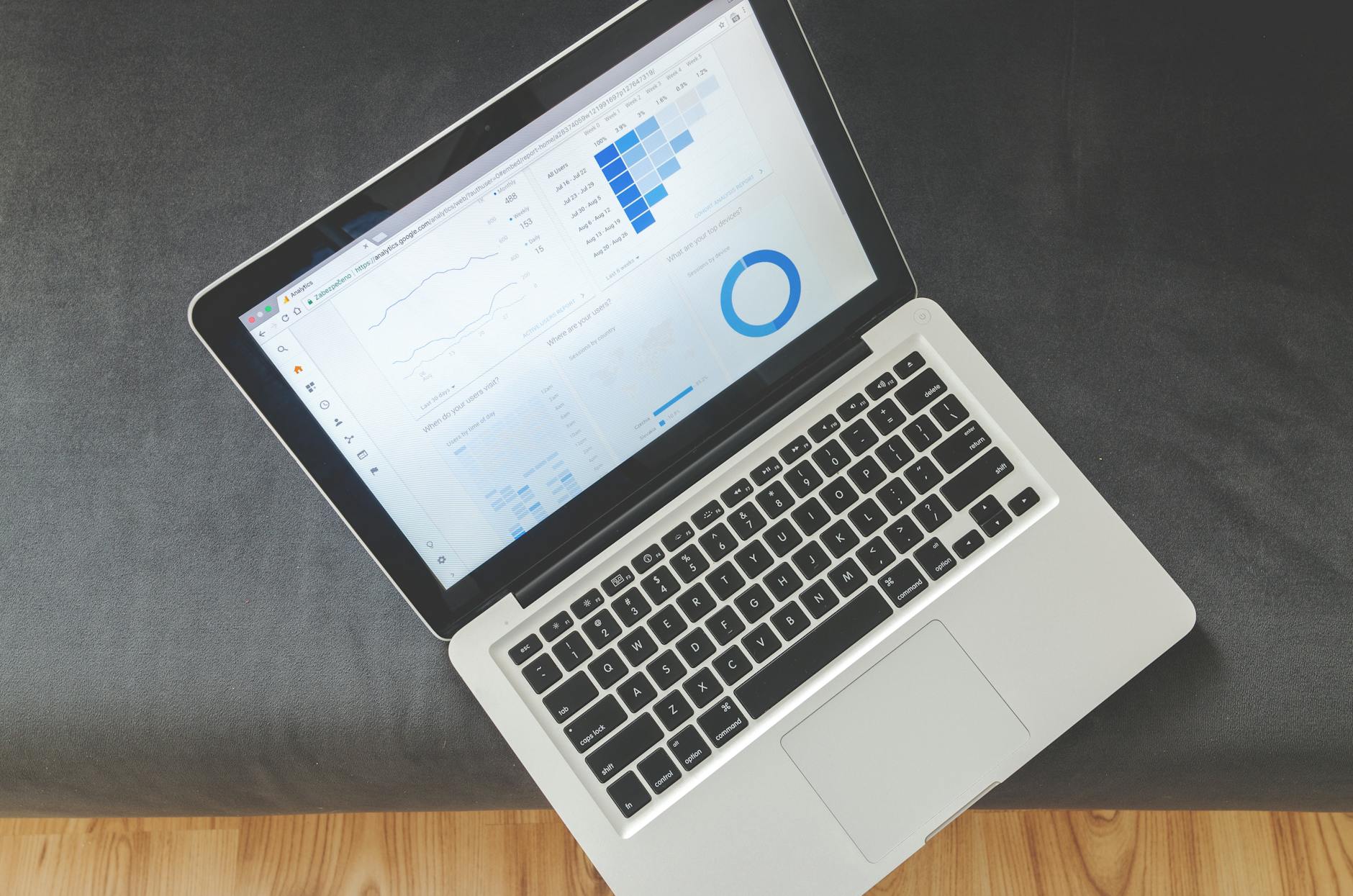
Traditional financial reporting, with its periodic and static nature, is rapidly being replaced by real-time reporting powered by dynamic dashboards. These dashboards consolidate data from multiple sources into a single interface, providing up-to-date insights accessible across the organization. Real-time reporting supports faster decision-making by enabling CFOs, financial analysts, and other stakeholders to monitor key performance indicators (KPIs) continuously. Further, interactive visualizations allow users to drill down into detailed financial data, uncovering root causes and enabling deeper analysis. This trend not only increases transparency but also improves agility, as businesses can quickly adjust strategies in response to emerging financial trends or market conditions.
Automation of data processes and regulatory compliance
Automation plays a pivotal role in streamlining both data collection and financial reporting processes. Robotic Process Automation (RPA) and intelligent workflow systems reduce manual tasks such as data entry, reconciliation, and report generation, significantly decreasing errors and processing time. Moreover, as regulatory requirements become more complex, automation facilitates compliance by standardizing reporting formats, ensuring accuracy, and maintaining audit trails. For multinational corporations, automation helps reconcile differing accounting standards and reporting requirements across jurisdictions. This integration of automation within financial reporting enhances reliability and frees up human resources for higher-value analytical work.
Enhanced data visualization and storytelling for better communication
Effective communication of insights derived from data analytics is increasingly supported by enhanced data visualization techniques. Clear visuals, such as heat maps, trend lines, and interactive charts, aid in translating complex financial information into coherent stories that drive strategic decisions. Storytelling with data helps bridge the gap between technical analysts and business leaders by contextualizing figures in a way that highlights implications and opportunities. In financial reporting, this approach not only improves stakeholder understanding but also supports persuasive presentations to investors, regulators, and executive teams, ultimately fostering informed decision-making and stronger business alignment.
Conclusion
As businesses contend with growing data complexity and demand faster, more accurate insights, the trends in data analytics and financial reporting for business intelligence become increasingly intertwined. The integration of predictive analytics enhances the forward-looking capabilities of financial reports, while real-time dashboards provide immediate access to critical metrics for agile decision-making. Automation streamlines workflows, ensuring compliance and accuracy, and sophisticated data visualization transforms raw data into compelling narratives that resonate with diverse audiences. Together, these trends represent a paradigm shift in how organizations approach financial reporting and analytics, moving from static retrospective snapshots to dynamic, strategic tools that power competitive advantage and resilience in uncertain markets.
Image by: Lukas
https://www.pexels.com/@goumbik

news via inbox
Nulla turp dis cursus. Integer liberos euismod pretium faucibua
