Integrating Cloud Accounting and Automation for Small to Mid-Sized Businesses
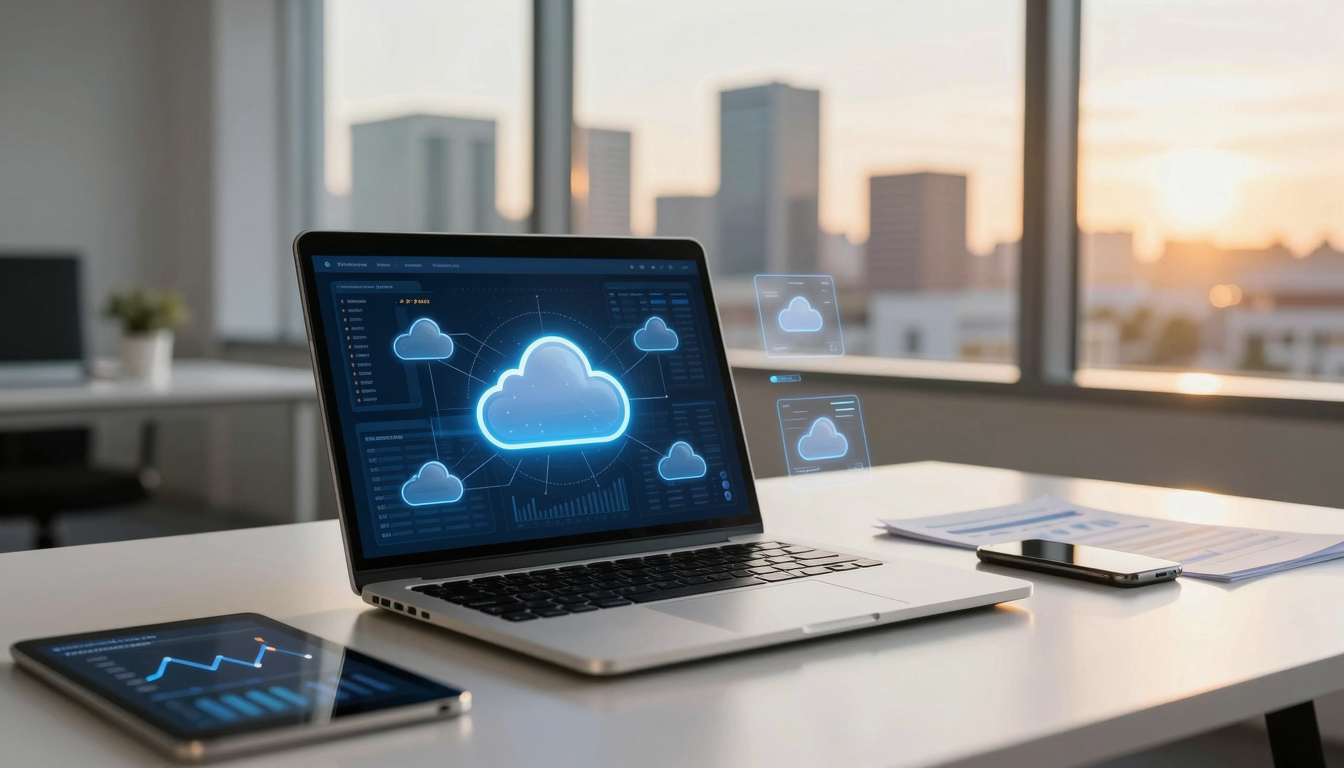
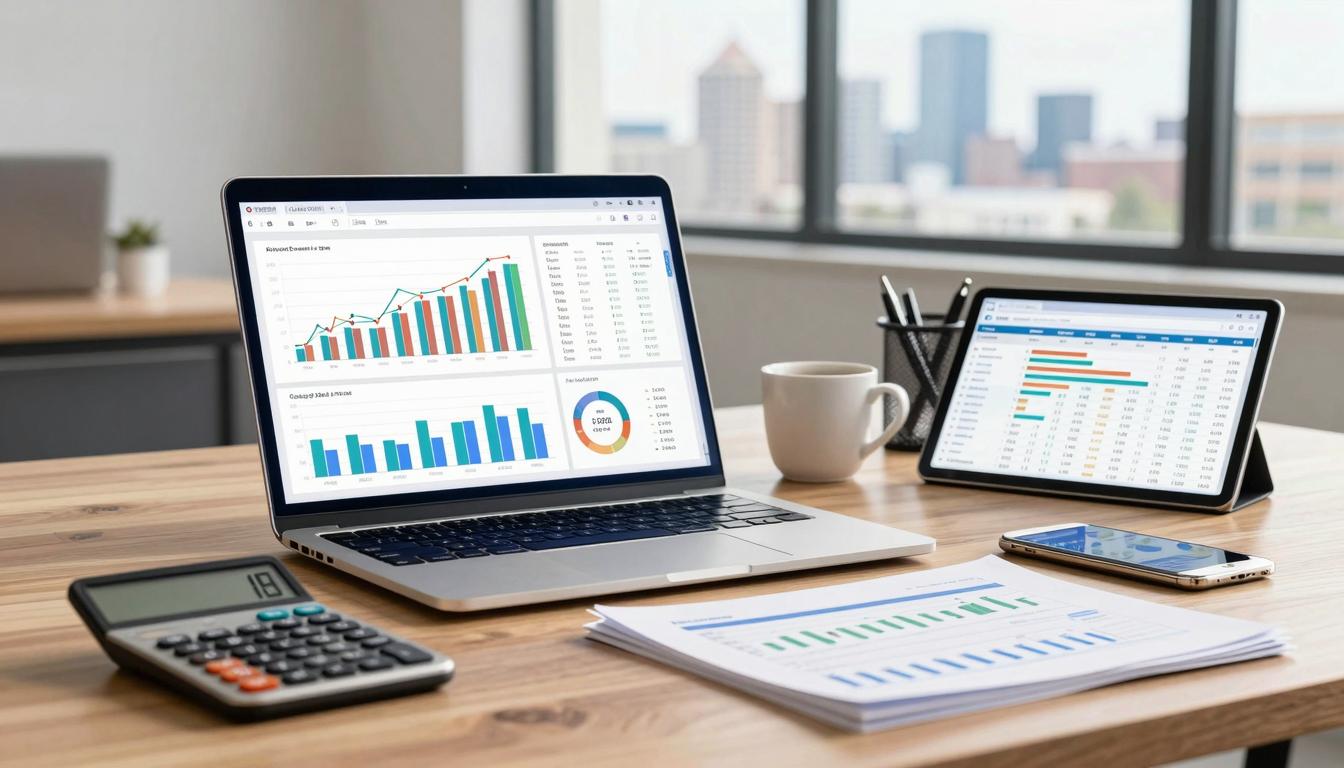
Integrating cloud accounting and automation for small to mid-sized businesses is a transformative strategy that is reshaping how companies handle their financial operations. As businesses grow, managing accounting tasks manually becomes increasingly complex and time-consuming. The adoption of cloud accounting solutions coupled with automation tools streamlines these processes, providing real-time access to financial data, reducing human error, and enhancing overall efficiency. This article explores the benefits, implementation strategies, challenges, and future outlook of combining cloud accounting with automation to help small to mid-sized enterprises (SMEs) optimize their financial workflows.
The benefits of cloud accounting for SMEs
Cloud accounting provides small and mid-sized businesses with scalable, accessible, and cost-effective financial management solutions. Unlike traditional accounting software, which requires installation and maintenance on local computers, cloud platforms operate entirely online, allowing users to access their financial data anytime and anywhere. This flexibility supports remote work and collaboration among team members and accountants.
Key advantages include:
- Real-time financial insights: Businesses can track expenses, generate invoices, and monitor cash flow instantly.
- Cost reduction: Subscription-based models reduce upfront costs associated with software licenses and hardware.
- Enhanced security: Reputable cloud providers implement strong data encryption, automatic backups, and disaster recovery systems.
Automation in accounting: streamlining repetitive tasks
Automation takes cloud accounting a step further by handling routine, repetitive tasks without manual intervention. These can include bank reconciliations, invoice generation, payment reminders, and data entry. Automation decreases the likelihood of human error and frees up employees to focus on higher-value activities such as financial analysis and strategic planning.
Integrating automation tools allows SMEs to:
- Reduce time spent on monthly closes and audits
- Improve accuracy in financial records
- Accelerate cash flow management through automated invoicing and reminders
- Ensure compliance with tax regulations by automating calculations and filings
Implementation strategies for successful integration
To effectively combine cloud accounting with automation, SMEs should adopt a phased and strategic approach:
- Assess current financial workflows: Identify repetitive tasks and pain points suitable for automation.
- Select the right tools: Choose cloud accounting software with native automation features or compatible third-party applications.
- Train staff: Provide training to ensure seamless adoption and encourage efficient use of new technologies.
- Establish security protocols: Protect sensitive financial data by implementing access controls and regular audits.
- Monitor and refine: Continuously evaluate system performance to identify areas for further automation and improvement.
Challenges and considerations
While the integration of cloud accounting and automation offers substantial benefits, SMEs should be mindful of potential challenges. Data migration from legacy systems can be complex and requires careful verification to avoid inconsistency. Additionally, the reliance on cloud services raises concerns about internet dependency and data security, which necessitates robust contingency plans.
Change management is crucial; employees may resist new workflows, so fostering a culture that embraces technology and continuous learning is essential. Lastly, evaluating the total cost of ownership, including subscription fees and potential training expenses, ensures alignment with budgets and business goals.
| Aspect | Benefits | Considerations |
|---|---|---|
| Cloud accounting | Accessibility, real-time data, cost savings, security | Requires internet, data migration complexity |
| Automation | Time savings, accuracy, compliance support, workflow efficiency | Initial setup complexity, employee training needed |
Future outlook: embracing AI and machine learning
The future of cloud accounting and automation lies in the integration of artificial intelligence (AI) and machine learning (ML) technologies. These advancements will not only automate routine tasks but also provide predictive analytics, fraud detection, and personalized financial insights. For SMEs, adopting such intelligent systems can enhance decision-making and competitive advantage.
As AI tools become more accessible, small to mid-sized businesses can expect further reductions in manual workload and improved financial accuracy, enabling them to allocate resources more strategically. Embracing these innovations early will be pivotal to staying ahead in a rapidly evolving business environment.
Conclusion
The integration of cloud accounting and automation offers small to mid-sized businesses a powerful means to optimize their financial management processes. Cloud accounting brings flexibility, real-time visibility, and cost efficiencies, while automation minimizes manual workloads, enhances accuracy, and supports compliance. By carefully planning the implementation, addressing potential challenges, and fostering a technology-friendly culture, SMEs can unlock significant operational benefits. Looking forward, the incorporation of AI and machine learning will further revolutionize accounting functions, empowering businesses with deeper insights and predictive capabilities. Ultimately, adopting these technologies is not merely a choice but a necessary step toward sustained growth and competitiveness in today’s digital economy.
Image by: cottonbro studio
https://www.pexels.com/@cottonbro

news via inbox
Nulla turp dis cursus. Integer liberos euismod pretium faucibua